
Not every curtain can go through a normal wash, and getting it wrong can mean shrinkage, a ruined lining, or colour that's noticeably faded after just one cycle. The fabric and lining combination is what decides the right method — here's how to tell which treatment your curtains actually need before you do anything to them.
Check The Fabric Before You Decide Anything
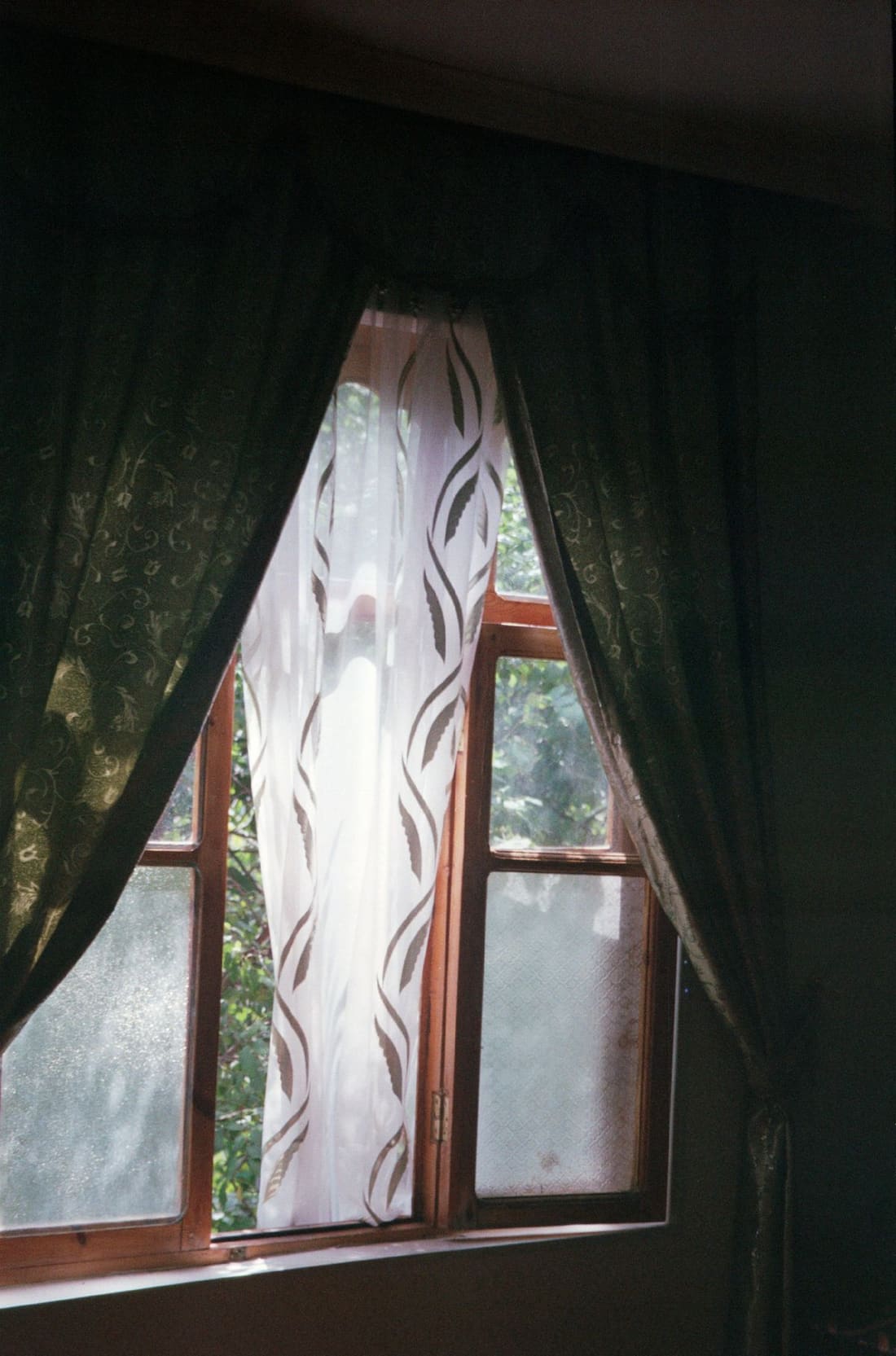
Light sheers and voile are usually fine on a gentle wash. Heavy lined drapes, velvet and silk are a different story — the outer fabric and the lining are often different materials that react to water and heat differently, which is what causes puckering and uneven shrinkage. Blackout-lined curtains are the biggest risk: the lining and the visible fabric can shrink at different rates, permanently distorting the drape even after just one wash.
Why Washing The Wrong Curtain Goes Wrong
Heat and agitation in a normal wash cycle can shrink a lining unevenly relative to the outer fabric, and that mismatch shows up as puckering along the seams that doesn't press out afterward — it's a structural change, not a wrinkle. Unlined or cheaply dyed fabric can also bleed colour in a home wash, especially with darker curtains, leaving patchy fading that wasn't there before.
What Our Take-Down And Rehang Service Covers
We take curtains down from the rail or track, treat each piece according to its actual fabric — wash, dry clean or hand treatment as appropriate — then iron or press them properly before rehanging. While they're down, we also clean the rails and tracks themselves, which build up a surprising amount of dust that gets ignored simply because nobody sees it once the curtains are back up.
A Quick Rule Of Thumb
When in doubt, dry clean rather than risk it — the cost of a wrong guess is usually a curtain that never hangs quite right again. Sheers and unlined voile are the safe exception and can generally go on a gentle cold wash without issue.