
 LOGIS
CLEANING SERVICES
LOGIS
CLEANING SERVICES
Pest Control
Bedbug treatments commonly fail for one specific reason: only the mattress gets treated, while eggs sitting in the bed frame seams, skirting boards and electrical socket covers hatch a week or two later and the problem returns. A proper treatment covers the whole room, not just the bed.
Get an Estimate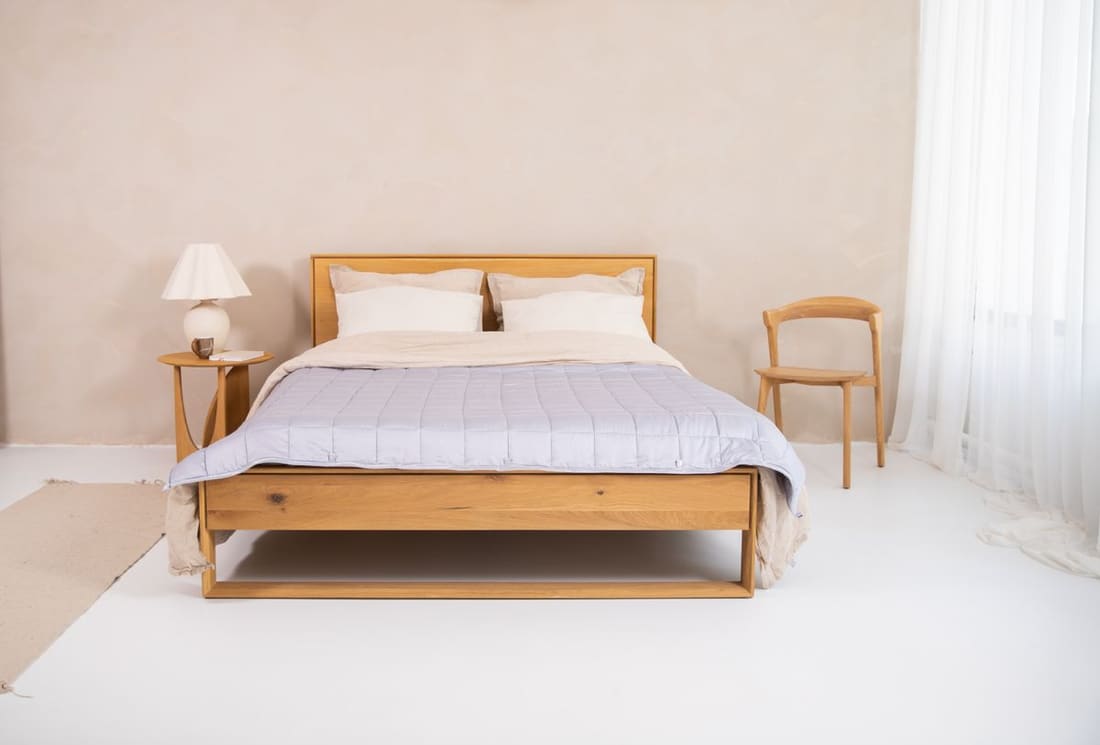
Bedbugs don't live exclusively on the mattress — they shelter in any tight gap near where people sleep: bed frame joints, headboard seams, skirting boards, behind loose wallpaper or picture frames, and inside electrical socket covers on the wall nearest the bed. Eggs laid in these spots before a treatment hatch afterward regardless of how thoroughly the mattress itself was treated, which is why "we treated the bed and they came back" is such a common experience with DIY approaches.
We treat the bed frame and all its joints and seams, the mattress itself, skirting boards around the room, behind any furniture within a couple of metres of the bed, and check behind wall fixtures and socket covers nearby. Wardrobes and drawers in the same room get checked if there's any sign of spread. The goal is covering every place an egg could realistically have been laid, not just the obvious ones.
Small reddish-brown insects around 4-5mm long visible in bed seams or frame joints are the clearest sign. Tiny dark spotting on sheets (droppings) or small blood spots from feeding are also common. Bites alone are less reliable evidence — reactions vary hugely person to person, and some people show no reaction at all despite an active infestation, so absence of bites doesn't mean absence of bedbugs.
We return roughly two weeks after the first treatment specifically to catch eggs that hatched in the interim. This second visit is what actually breaks the cycle — treating once and not returning leaves exactly the gap that lets an infestation rebuild.
Good to Know
Almost never. Bedbugs live in the seams and gaps of a mattress rather than inside the foam itself, so a proper treatment clears an infested mattress without needing to replace it. Replacement is really only worth considering if the mattress is already old or damaged for unrelated reasons.
It’s uncommon during the treatment itself, but bedbugs can travel via clothing, bags or furniture moved between rooms beforehand. If you’ve noticed activity in more than one room, tell us before we start so we treat all affected areas in the same visit.
Once the treated areas have dried — typically a few hours — the bed is safe to use again. We’ll confirm drying time on the day based on the specific products used.
Clean with Experts — honest work, fair prices, done on time