
 LOGIS
CLEANING SERVICES
LOGIS
CLEANING SERVICES
Pest Control
Cockroaches breed fast enough that a single treatment often isn't enough on its own — eggs laid before the first visit hatch afterward, and without a follow-up, the numbers climb right back within a few weeks. Our approach combines gel baiting with residual spraying, and always includes a second visit built into the plan, not offered as an upsell after the fact.
Get an Estimate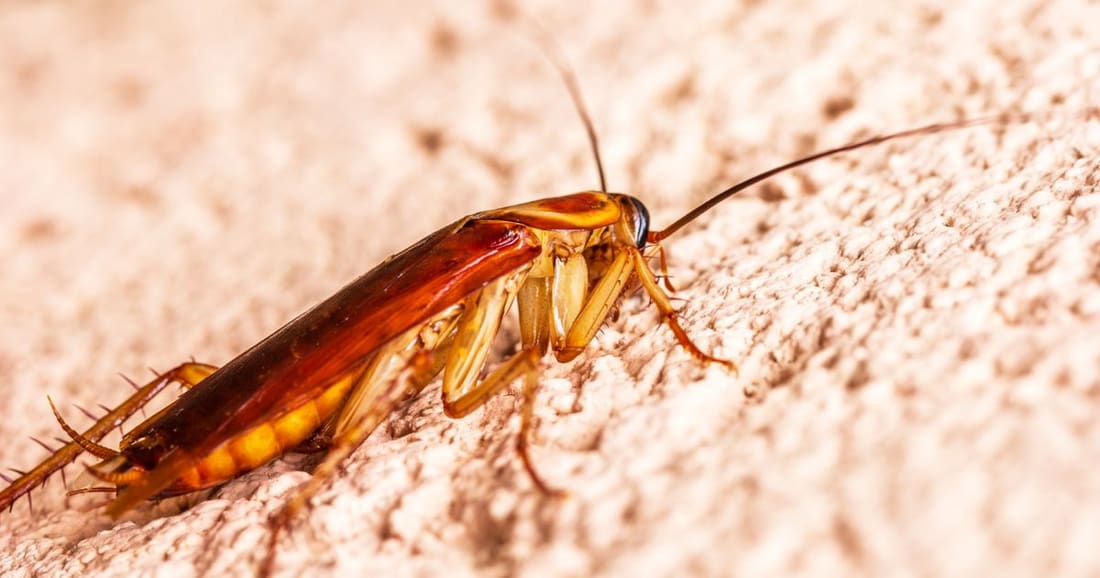
A German or American cockroach egg case can hold a dozen or more eggs, and a single female can produce several egg cases in her lifetime. Surface spraying kills roaches that are out and visible on the day, but eggs tucked into cracks, behind appliances or inside cabinet joints are unaffected — they hatch on their own schedule, days or weeks later. That's the entire reason a "treated" kitchen has roaches again a month afterward: the treatment worked, the timing of the follow-up didn't happen.
We use gel baiting as the primary tool — a food-attractant gel roaches carry back to the nest, which then affects others that never touched the bait directly, including ones hidden too deep for a spray to reach. This gets combined with residual spraying in cracks, along skirting boards, behind and under major appliances, and around drain openings, since roaches need both food and moisture and travel along consistent routes between the two.
The kitchen gets the most attention — behind and under the cooker and fridge, inside cabinets, under the sink — but any bathroom or utility area with a water source gets checked too.
Roughly two weeks after the first treatment, we come back specifically to catch anything that's hatched since — this is the step that actually clears an infestation rather than just knocking the visible numbers down temporarily. It's included in the initial quote, not billed as a separate call-out.
Seeing roaches during the day (not just at night when disturbing a light) usually means the population is large enough that hiding spots are running out. A persistent musty odour, small dark droppings resembling coffee grounds along cabinet edges, or finding egg cases (oval, brownish capsules) in drawers or behind appliances are all worth acting on before numbers grow further.
Good to Know
Most households see a sharp drop within a few days as the bait takes effect, with the population continuing to decline through to the follow-up visit two weeks later. Seeing a few in the first day or two after treatment is normal — the gel is designed to be carried back to the nest, so some activity initially is actually a sign it’s working.
Avoid wiping down surfaces where gel bait has been placed for a few days, since that’s the point of contact. Otherwise, normal cleaning is fine — in fact, keeping food sources minimal helps the bait remain more attractive than any competing crumbs.
Yes, gel baiting and targeted spraying are contained to your unit and don’t require access to neighbouring units. If the building has a shared drain or refuse area contributing to the problem, we’ll flag that separately since it may need building management involved.
Clean with Experts — honest work, fair prices, done on time