
 LOGIS
CLEANING SERVICES
LOGIS
CLEANING SERVICES
Pest Control
Rodent control only works long-term when it combines three things: baiting to reduce the existing population, trapping where bait isn't appropriate, and sealing the entry points rodents are actually using. Doing the first two without the third just means new rodents replace the ones removed.
Get an Estimate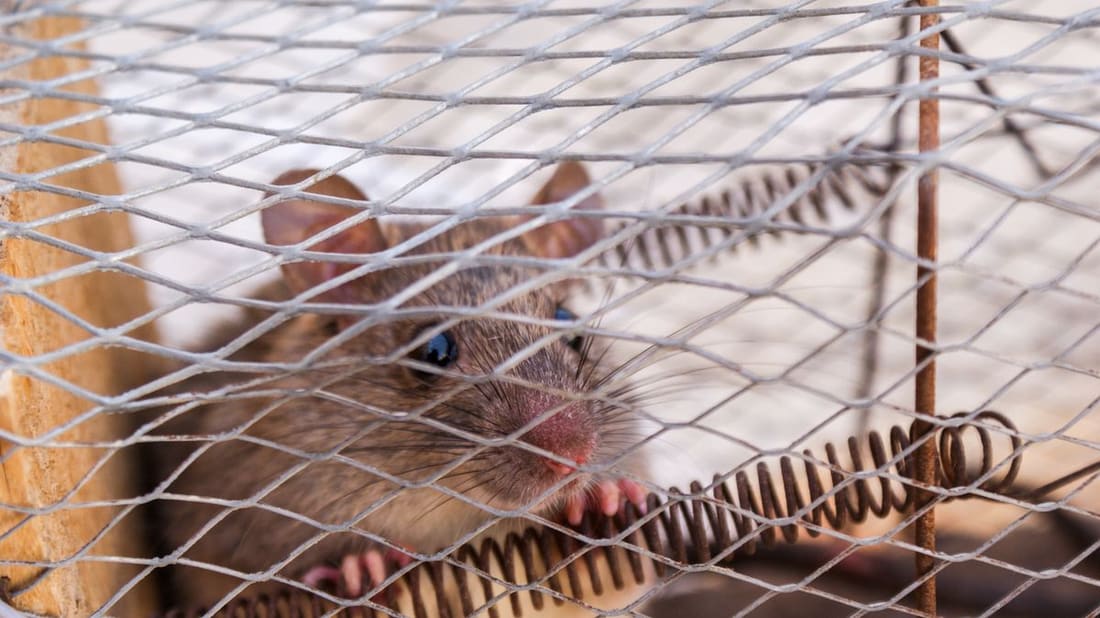
Bait stations reduce the existing population over time, and are the main tool in areas where trapping isn't practical. Traps are used where bait placement isn't appropriate — mainly kitchens and food storage areas, where health considerations rule out poison near food. But neither approach addresses how rodents got in to begin with. Finding and sealing entry points — gaps around pipework, damaged airbricks, roof void access, gaps under doors — is what actually stops the problem from recurring once the current population is dealt with.
Restaurants, godowns and other food-handling premises need particular care with bait placement, since health and safety inspections check for exactly this. We use tamper-resistant, lockable bait stations in these settings, positioned away from food contact areas, and can provide a treatment record for your compliance file if your premises needs one.
The kitchen, roof void, and gaps around plumbing or the building's foundation are the usual routes in. Rats can fit through gaps far smaller than most people expect — a gap the width of a thumb is enough for some species. We walk the property with you and point out every gap we find, sealed or not, so you know exactly what was addressed.
Droppings (dark, rice-grain-sized, usually near food sources or along walls), gnaw marks on food packaging or wiring, and a distinctive musky odour in enclosed spaces like roof voids or under-sink cabinets are the most common signs. Scratching noises at night, particularly in ceilings, are also a common first indicator.
Good to Know
We use enclosed, tamper-resistant bait stations specifically so pets and children can’t access the bait directly. For homes with pets, we’ll position stations in areas pets don’t have access to wherever possible and talk through placement with you before we finish.
Activity usually drops noticeably within the first week as bait takes effect, but sealing entry points is what stops new rodents replacing the ones removed — that’s why we treat both together rather than bait alone.
Yes, for commercial and food-handling premises we can provide a treatment record showing bait station placement and service dates.
Clean with Experts — honest work, fair prices, done on time